Cropland in the Mississippi Delta | America’s Emerging Agricultural Heartland
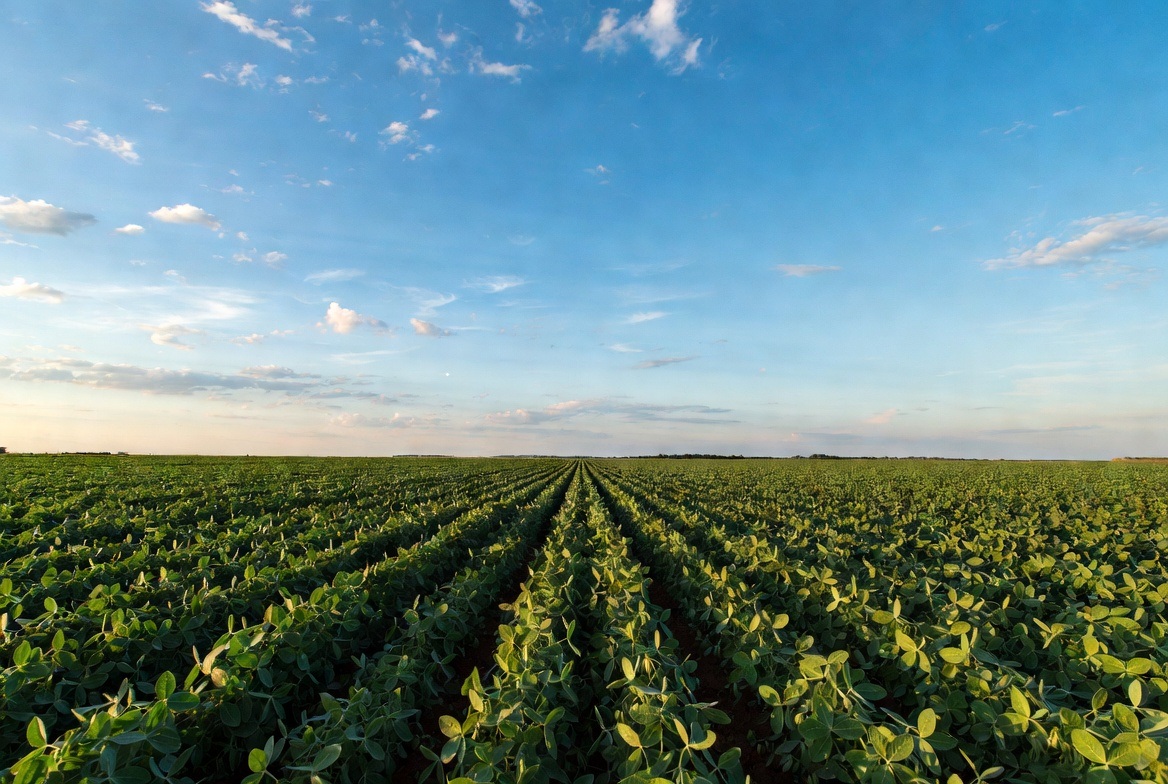
Cropland refers to land primarily used for growing crops, including row crops like soybeans, corn, cotton, and rice, as well as potential specialty crops for direct human consumption. It forms the backbone of U.S. agriculture supplying food, feed, fiber, and fuel.
For more information visit Cropland.com today.
The importance of cropland cannot be overstated. American cropland supports a multi-trillion dollar food system, employs millions, and underpins national and global food security. In an era of climate pressures and regional vulnerabilities, productive cropland represents strategic national infrastructure.
The Mississippi Delta, spanning western Mississippi and parts of Arkansas and Louisiana, sits atop some of the world’s richest alluvial soils, replenished historically by Mississippi River floods.
This region boasts vast cropland. Mississippi alone has over 10 million acres of farmland, with the Delta as its core. Soybeans dominate, often 40% of acreage in the Lower Mississippi River Basin, followed by corn, cotton, and rice. Mississippi ranks high nationally in rice production and contributes significantly to soybeans, corn, and cotton.
Economics and Scarcity:
U.S. cropland is finite and increasingly pressured by urbanization, climate, and competing uses. In the Mississippi Delta, it is relatively abundant compared to drier regions but not unlimited.
Irrigated Delta cropland recently averages around $4,300–$5,800 per acre, with non-irrigated lower at $3,100–$4,600, varying by quality, irrigation, and location. These prices are competitive versus California’s much higher values or Iowa’s premium land. Rental rates run $140–$180/acre for irrigated ground.
How to buy Cropland in Mississippi:
Work with local real estate brokers specializing in ag land, review soil surveys via USDA, check water rights and irrigation access, and consult attorneys for title and zoning. Financing often comes through USDA Farm Service Agency loans for beginning farmers, or ag lenders like Mississippi Land Bank. Due diligence on flood risk, nutrient management, and conservation programs is essential.
Why Row Crops?
Mississippi Delta farmers predominantly grow commodity row crops for strong reasons established markets, mechanization suited to flat terrain, export demand soybeans for animal feed and oil, corn for feed/ethanol, cotton for fiber, rice for food/export.
These crops leverage the region’s fertile soils and abundant water from the alluvial aquifer and river. Specialty crops, like fruits and vegetables, currently occupy under 0.2% of acreage due to higher labor needs, market access challenges, infrastructure gaps, and risk. However, they command premium prices and could diversify revenue.
Water and Resources:
The Delta enjoys near unlimited surface and groundwater relative to arid zones though sustainable management of the Mississippi River Valley Alluvial Aquifer is critical amid irrigation expansion. Conservation practices like tailwater recovery and cover crops help.
This contrasts sharply with California, where prolonged droughts, groundwater overdraft, and regulatory constraints challenge its dominant specialty crop production. Over half of U.S. fruits and vegetables come from Cali. California’s issues stem from climate variability, overuse, and policy exemplified by tensions affecting businesses, but represent real supply chain risks for fresh produce.
Future Outlook:
Experts, including World Wildlife Fund analyses, see the Mid-Mississippi Delta as a potential Next California for diversified production. Shifting even a small percentage (say 5%) to specialty crops could add billions in revenue and jobs while building resilience.
Climate models suggest northern shifts in viable acreage. The Delta’s water, soil, and central logistics position it well. Challenges include infrastructure for processing/perishables, labor, markets, and nutrient runoff affecting the Gulf. Yet opportunities for innovation – precision irrigation, rotations, new markets, value added production and harvest – are significant.
The Delta’s culture is rooted in resilience, blues heritage, and agricultural heritage embodies practical stewardship. Politically, U.S. agriculture navigates trade, subsidies, and environment nationwide.
As California faces constraints, bolstering Southern production diversifies risk without pitting regions against each other. Mississippi’s advantages in water and land support scaling human-edible crops alongside commodities.
Why It Matters for Humanity:
Prioritizing cropland health in the Delta safeguards domestic food production. Row crops feed livestock (ultimately supporting human diets) and provide staples, but expanding direct food crops enhances security amid national shifts.
Let’s build a platform that educates on opportunities, connects buyers and investors, promotes best practices, and highlights sustainable models. This fosters investment that strengthens rural economies and national resilience.
Our cropland is a strategic asset. Fertile, watered, and poised for evolution. With thoughtful management, it can help feed a growing nation, buffer against regional disruptions, and drive economic vitality.
Investing in Mississippi’s cropland today builds a future of diversification, conservation, and infrastructure that is key to our agricultural strength and wealth.
Visit Cropland.com today and learn what we are doing to feed the USA.